
On slower arrivals, longer days ashore, and what it means to actually be somewhere
It's evening in Seville, and the city is just waking up. The air has finally cooled. The tapas bars are filling. Nearby, a flamenco performance is about to begin. Dinner is served family-style, and Rioja is flowing by the bottle.
You have time for all of it. Your ship doesn't depart until tomorrow; this itinerary is designed for a slower pace of travel.
Oceania's ships are small, accommodating no more than 1,250 guests, and they spend 30 to 50 percent longer in port compared to typical large ships. Their itineraries are crafted to allow guests to immerse themselves in regions rather than just passing through. Since the ships are adults-only, everyone onboard, whether at dinner, on the excursion bus, or relaxing at the bar after a day ashore, has chosen this trip for a deep understanding of place. This kind of discovery is about the people, the culture, and the place, without any complications in the way.

Alaska
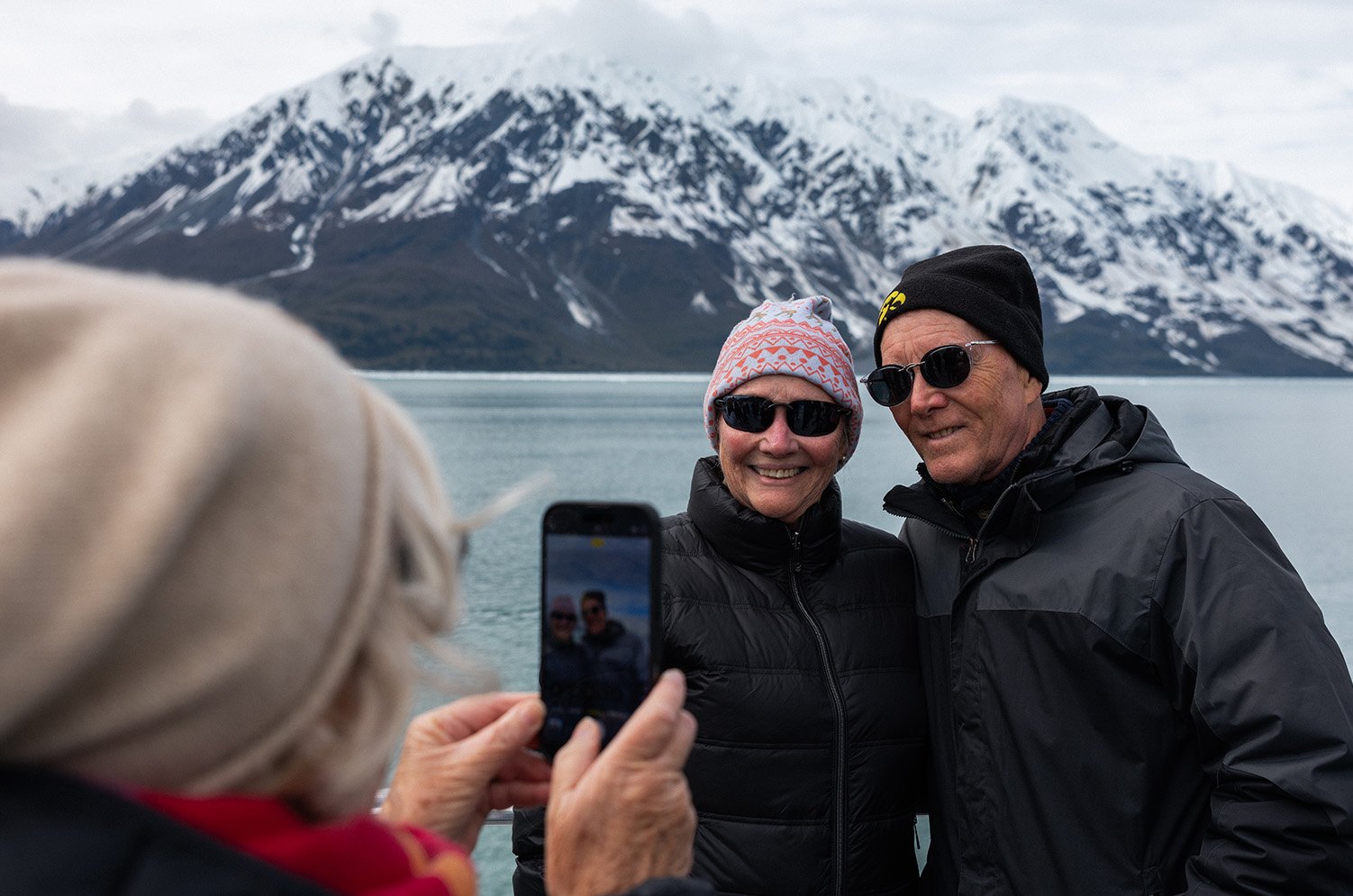
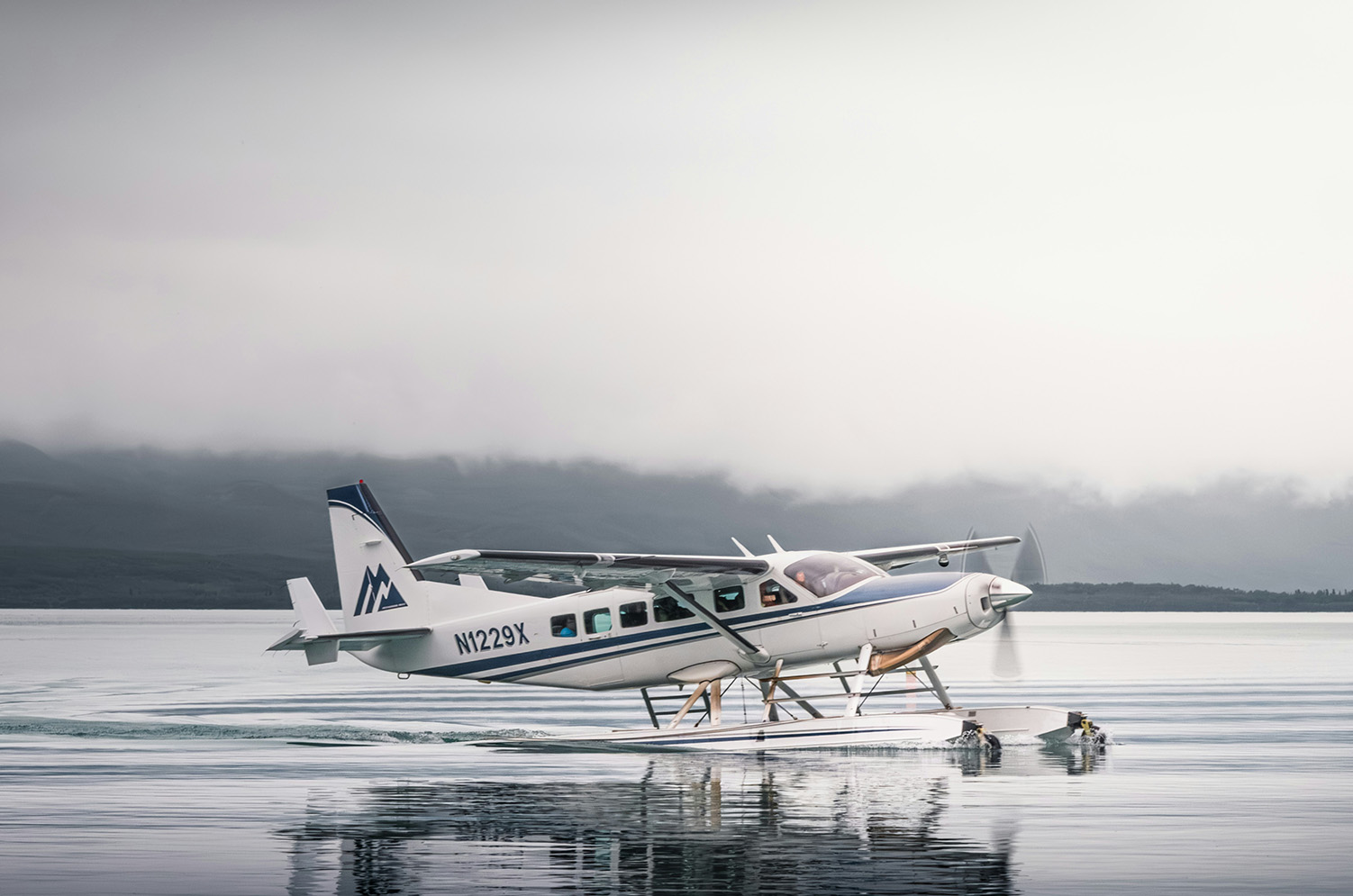
An extra four hours in the right place changes what a trip can be. In Alaska, Oceania's ships stay in Juneau until 9 p.m. That's the Mendenhall Glacier in the late afternoon, when the light has dimmed to a golden hue and the path is deserted. It's the whale watch that ends because you're ready to leave, not because the ship is. It's the floatplane into Katmai, the full day on the ice, the dinner in town that runs long because there's no particular reason to hurry back.
The ports themselves tell a different story from the standard Alaska circuit. Where larger vessels are constrained to the same familiar harbors, Oceania's smaller ships access communities that feel genuinely remote because they are. You don't arrive to find a main street optimized for cruise passengers. You arrive somewhere that still feels like the last frontier, discovered.
Bilbao to Rome
The same logic plays out across an entirely different kind of landscape on Oceania's Bilbao-to-Rome sailing. The itinerary moves through the Atlantic coast of Spain and Portugal before turning into the Mediterranean — and it does so at a pace that lets each place register.
La Coruña, the granite city on Spain's northwestern tip, gets a full afternoon and evening. From Vigo, the port for Santiago de Compostela, the ship stays until 9 p.m. — long enough to make the journey inland to one of the world's great pilgrimage destinations and still return unhurried. Lisbon is an overnight: you arrive in the afternoon, stay through the following evening, and wake up still there. Seville is two nights — arriving Saturday, not departing until the early hours of Monday — enough time to understand why people fall for this city, not just visit it.
Then, Portimão in the Algarve. Alicante. Barcelona until 9 p.m. And Mahón, in Menorca — a harbor so quietly beautiful, so genuinely off the circuit, that most travelers have never heard of it from a ship's deck. This is the kind of port that appears on an Oceania itinerary and doesn't on most others, because getting there requires a ship of a certain size and an itinerary built around interest rather than throughput.
Livorno — the gateway to Florence, Pisa, and the Tuscan countryside — until 8 p.m. Then Rome.
Slow Travel, for Those Who Want to Understand
Some trips you plan. Some you recognize.
Oceania's itineraries are built for the traveler who moves through the world with intention — who wants to understand a place, not just see it. The pace is slower by design. The ports are chosen for depth. The time ashore is long enough for a city to actually reveal itself. You know what it feels like to leave a place before you were ready; these itineraries were built for exactly that feeling.
Talk to your travel advisor about Oceania's Alaska and Mediterranean sailings.