

Boutique hotels promise something larger properties can struggle to offer: a stay shaped by personality, intimacy, and a strong sense of place. Yet a beautiful lobby or clever design concept doesn’t always signal a polished guest experience. Travelers searching for the qualities of a reliable luxury boutique hotel should pay attention to the details that reveal how well a property operates once the photographs give way to daily life.
The finest boutique hotels balance character with consistency. They feel distinctive without sacrificing comfort, and their service feels personal without becoming overly familiar. These eight qualities can help travelers recognize a property that deserves a place in a thoughtfully planned journey.
1. A Distinct Identity Runs Through the Property
A memorable boutique hotel knows what it wants guests to feel. Its design, music, food, service, and surroundings support one clear point of view rather than competing for attention.
That identity may grow from a restored estate, a coastal setting, or a contemporary design story rooted in local culture. The strongest properties resist decorative trends that could belong anywhere. Instead, they create rooms and shared spaces that feel connected to the destination.
A hotel’s character should also influence the rhythm of the stay. A secluded countryside retreat may favor quiet breakfasts and long afternoons by the pool. An urban hotel might channel the energy of its neighborhood through art, dining, and local partnerships.
Personality matters, though consistency turns personality into trust.
2. Service Feels Personal Without Feeling Performative
Great boutique service rarely calls attention to itself. Staff members notice preferences, answer questions with care, and respond with confidence when plans shift.
Guests shouldn’t feel watched or managed. They should feel understood.
A polished team knows when to offer a restaurant suggestion, arrange a transfer, or leave room for privacy. The service also carries across departments. Front desk staff, housekeepers, servers, and concierge teams should communicate well enough that guests don’t need to repeat the same request several times.
Warmth matters more than rehearsed formality. The most reliable hotels create a natural sense of welcome while maintaining clear standards throughout the stay.
3. Rooms Feel Considered From Morning to Night
A beautiful room can make a strong first impression. A well-designed room continues to feel comfortable after several days.
Lighting should suit early mornings, quiet afternoons, and evenings spent unwinding before dinner. Storage should accommodate more than a weekend bag. Climate controls, outlets, seating, and bathroom layouts should feel intuitive.
Privacy also shapes the experience. Thick doors, thoughtful room placement, and careful housekeeping practices can make an intimate property feel restful rather than crowded.
Travelers may also want to look beyond the entry room category. A corner suite, terrace room, or garden-facing accommodation may offer a stronger sense of seclusion. A knowledgeable travel advisor can help compare room layouts before booking, especially when photographs don’t reveal noise levels, stair access, or view differences.
4. The Design Supports Comfort
Boutique hotels often attract attention through architecture and interiors, though visual impact should never come at the expense of comfort.
Chairs should invite guests to sit. Outdoor lounges should work as well at midday as they do in photographs. Common areas should offer enough space for conversation without making every guest feel part of the same gathering.
Good design also helps guests move through the hotel with ease. Entrances, elevators, dining areas, and reception spaces should feel intuitive. Materials should suit the climate, and furnishings should withstand regular use.
The finest properties combine beauty with restraint. They use art, textiles, lighting, and regional craftsmanship to create atmosphere without turning every room into a display.
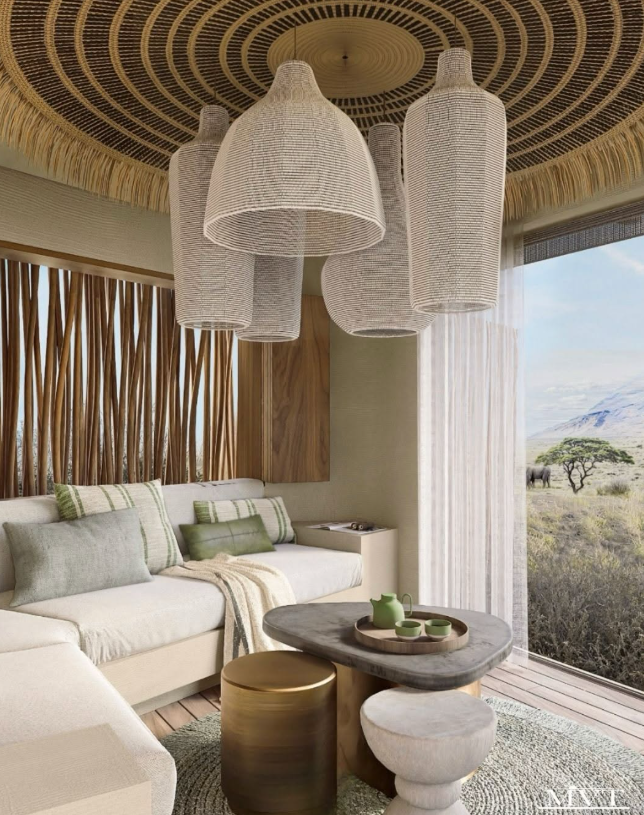
5. The Hotel Belongs to Its Destination
One of the great pleasures of a boutique stay comes from feeling connected to the place beyond the hotel doors.
That connection can appear through local architecture, seasonal ingredients, regional art, or partnerships with nearby guides and makers. It may also shape the way staff members speak about the destination. Their recommendations should feel specific, up to date, and tailored to the guest, rather than copied from a standard visitor guide.
A hotel doesn’t need to stage cultural moments for effect. Small, thoughtful choices often feel more authentic. A breakfast menu based on local produce, a library filled with regional books, or a courtyard designed around native plants can say more than a heavily themed interior.
Larger 5-star luxury hotels can also create a meaningful sense of place, though boutique properties often express it through a more intimate lens.
6. Dining Matches the Hotel’s Point of View
A boutique hotel doesn’t need several restaurants to create a memorable dining experience. It needs a clear culinary identity and the ability to deliver it well.
Breakfast often reveals the hotel’s standards. Fresh ingredients, thoughtful presentation, and flexible service can shape the pace of the morning. Guests should feel free to linger rather than rush through a crowded room.
Lunch and dinner menus should match the property’s size and setting. A focused menu with a strong regional perspective often feels more appealing than a long selection that lacks direction.
Dietary preferences also deserve clear communication. Staff members should answer questions with confidence and offer thoughtful alternatives without making the guest feel like an inconvenience.

7. Communication Feels Clear Before Arrival
Reliable service begins before check-in.
Guests should receive accurate details about transfers, arrival times, room features, and hotel policies. Questions should receive useful answers rather than vague assurances.
Pre-arrival communication can also reveal how closely the hotel pays attention. Staff may ask about dietary needs, celebration plans, room preferences, or expected arrival times. Those details help the team prepare while giving guests confidence that their reservation has received personal attention.
Honesty matters here. If a room sits near a lively street or requires several flights of stairs, the hotel should explain that before arrival. Clear descriptions help guests choose the right accommodation and prevent disappointment later.
8. Consistency Holds the Experience Together
Boutique hotels often celebrate individuality, yet guests still expect dependable standards.
Rooms should match their descriptions. Service should remain attentive during busy periods. Dining quality shouldn’t shift sharply from one day to the next. Small variations can add charm, though carelessness can quickly weaken confidence.
The hotel’s response to a concern also matters. A thoughtful team listens, offers a clear solution, and follows up without forcing the guest to chase an answer.
Travel advisors often gain insight into these patterns through hotel relationships, property visits, and feedback from previous travelers. Montecito Village Travel can help compare service styles, room categories, locations, and available amenities before recommending a property that suits the broader journey.
Choosing a Boutique Hotel With Confidence
The most dependable boutique hotels don’t rely on design alone. They combine character with thoughtful service, comfortable rooms, clear communication, and a genuine relationship with their surroundings.
Travelers who recognize the signs of a reliable luxury boutique hotel can look beyond first impressions and choose a stay that feels polished from arrival through departure.
A well-chosen hotel becomes part of the destination rather than a place to sleep between plans. It shapes the pace of each day, offers a welcome sense of return, and leaves guests with memories tied closely to the place itself.

