
Where Port, Drums, and Pharaohs Wait
Somewhere on your list is a glass of Port poured in the valley where its grapes were grown. A drumbeat that still fills the streets of a village that has kept its music for centuries. The temple wall you've seen in books since you were a child and still want to stand in front of. Each is a reason to go. And a river can carry you there.
These three journeys with AmaWaterways follow Portugal's Douro, Colombia's Magdalena, and Egypt's Nile, tracing three very different ways into the life of a place. You might return with a new favorite Port, a rhythm you catch yourself tapping on the steering wheel, or a morning in the Valley of the Kings that gets better with every retelling.
Which one you choose depends on what you want to find along the way.
Douro: Following the Wine Uphill
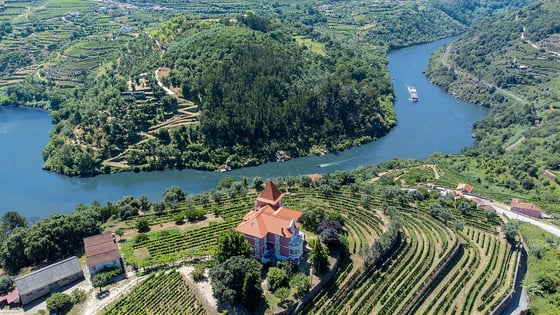
At Quinta da Avessada, high above Pinhão in the village of Favaios, lunch arrives with a glass poured from the hills your coach climbed that morning. Below the window, terraces step down toward the river in narrow green bands. You taste the Port, look back out at the slopes, and for the first time, the two belong to the same place.
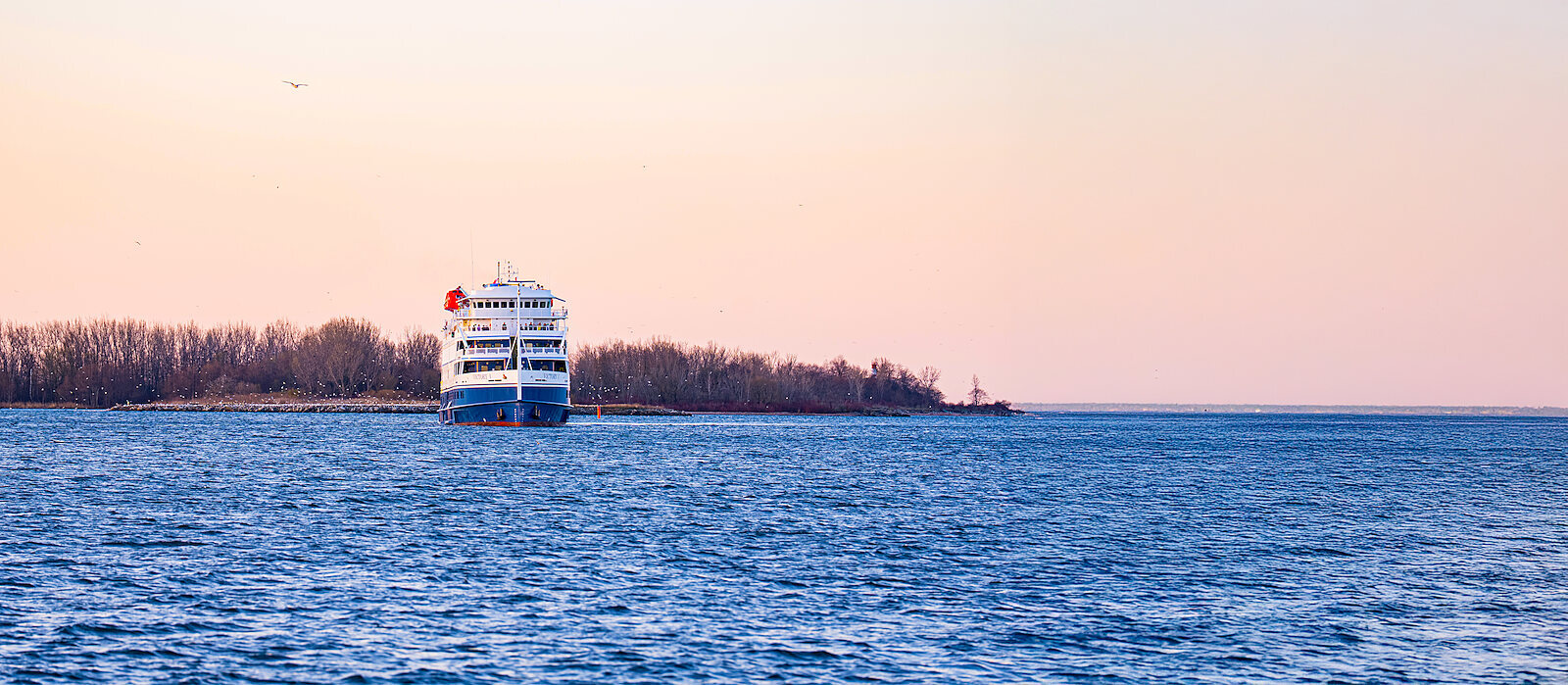
In 2028, AmaGaia joins AmaDouro, AmaSintra, and AmaVida on the river, carrying 102 guests with a pool overlooking the water. By late afternoon, you can float there as vineyards slide past on both banks.
The week begins and ends in Porto, with days spent among the gardens of Mateus Palace, the hilltop village of Castelo Rodrigo, and Salamanca's golden sandstone streets. In Lamego, nearly 700 steps climb to the Nossa Senhora dos Remédios sanctuary before a plate of local stuffed bread and presunto, Portugal's cured ham. On the last evening in Porto, after a tasting in one of the Port cellars along the river, the city's bridges light up as you sail beneath them.
Consider adding a few hotel nights in Porto before you board, giving yourself time to settle into the city before following the river inland. By the end of the week, the Douro has connected the glass in your hand to the hills outside the window.
Magdalena: Colombia Between Its Cities
The howler monkeys start before the sun does. On an early outing along the bank, you hear them first, a low roar carrying across the water from somewhere in the trees. Then the light reaches the jungle, herons lift from the shallows, and the river turns from gray to bronze.
Cartagena and Barranquilla may get more of the attention, but the Magdalena takes you slowly between them, through Caribbean river towns where the waterfront is still part of everyday life. A week aboard brings you closer to the rhythms of the communities along its banks.
On AmaMelodia, just 64 guests share the journey. Colombian architect Camilo Restrepo designed the interiors around the country’s culture and landscapes, so the places you step into each morning seem to follow you back on board.
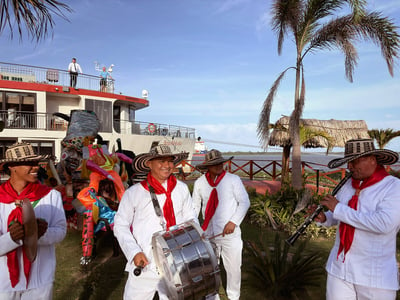
Palenque, where the drums come first
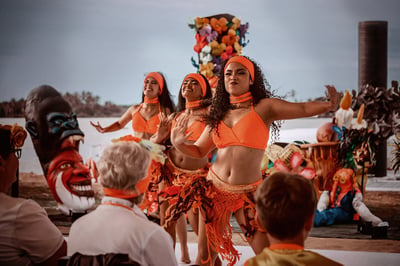
In San Basilio de Palenque, you hear the village before you see much of it. Drums set the rhythm, dancers pick it up, and conversations move between Spanish and Palenquero, a language shaped here from Spanish and African roots. Music is not simply part of the welcome. Son palenquero, traditional songs, and dance belong to celebrations and rituals that have carried through generations in one of the first free African towns in the Americas.
Mompox, after the heat breaks
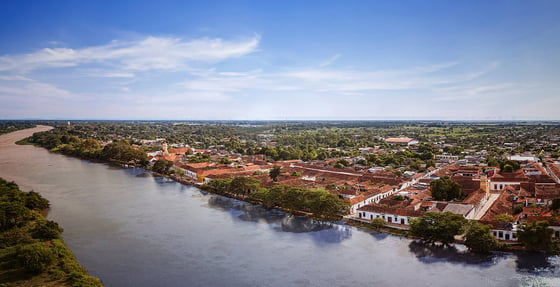
Mompox gets two days, and by the second, you understand why. The river trade that once made the town wealthy moved elsewhere when the Magdalena shifted course, leaving behind whitewashed houses, shaded arcades, and plazas that still seem to keep their own time. By early afternoon, the heat sends you beneath the colonnades. Later, doors open, rocking chairs edge onto the sidewalks, and music begins drifting through the streets.
The route runs seven nights between Cartagena and Barranquilla in either direction, year round, with a Carnaval celebration in Barranquilla along the way. Your advisor can help choose the direction that leaves more time where you want it. End in Cartagena, for example, and the walled city can become the beginning of a few unhurried days on land.
The Magdalena is less about watching scenery pass than stepping into what is happening along its banks. The people you meet become as memorable as the river itself. If you would rather watch vineyards slide past from a sun deck with a glass in hand, the Douro suits you better. If you want Colombia's music and daily life up close, this is your river.
Nile: Letting Ancient Egypt Come Into Focus
You reach the Valley of the Kings early, before the light turns white. Inside a tomb, painted walls still hold color from more than three thousand years ago, while your Egyptologist traces the story unfolding across them. You step back into the sun a little quieter than you went in.
The journey starts before the river. Three nights in Cairo, at the Four Seasons Hotel Cairo at The First Residence, give you time for the pyramids, Memphis, and Saqqara before you fly south to Luxor and board.
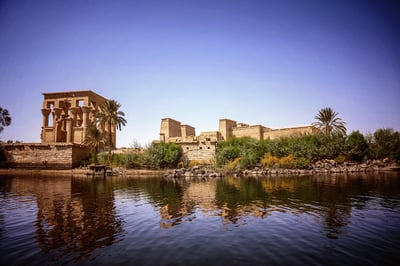
Then the pace changes. The Temple of Horus at Edfu, Kom Ombo above its bend in the Nile, and the Temple of Hathor at Dendera arrive one at a time, with long stretches of river between them. An afternoon on deck gives one place time to settle before the next appears, and Egyptologists travel with every sailing to give the history context as you go.
AmaNubia debuts in November 2026 with 76 guests and interiors inspired by Nubian culture and the colors of the Nile landscape. AmaDahlia also returns this fall, newly reimagined. Sailings run from September through May, when temperatures are milder. Domestic flights within Egypt are priced separately from the cruise, which is something your advisor can account for when building the trip around it.
A free day in Aswan
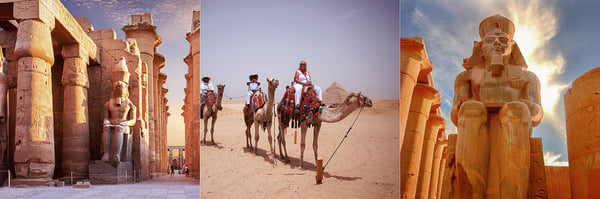
In Aswan, the day is yours to shape. Take an early flight to Abu Simbel, where four colossal figures of Ramses II face the desert, or stay closer to the river and end the afternoon with tea at the Old Cataract Hotel, its rosy terraces looking out over the Nile. Both are optional, so ask your advisor to reserve the experience you want before you sail.
Of the three journeys, this one spends the most time on land, with early starts and long days among temples and tombs. The reward is proximity: ancient Egypt stops being an image and becomes somewhere you've actually stood.
The River Is Not the Point
The Douro puts the hillside behind the wine. The Magdalena gives the music a place. The Nile gives the temple wall its full scale.
Start with what you want to get closer to, then let your advisor work backward through the route, season, and time you have.
The river is how you get there. The reason is waiting along its banks.