

Some voyages impress with scale. Others stay with you because they leave room for the traveler. That quieter kind of luxury explains why small-ship cruises offer ultimate privacy and exclusivity for guests who want the ocean to feel personal from the first harbor to the final evening.
The difference appears early. Breakfast doesn’t feel hurried. A favorite seat on deck becomes part of the morning. Crew members begin to recognize preferences. Each port arrival feels less crowded around the edges.
Privacy Starts With the Pace
A small ship doesn’t need to entertain thousands of guests at once. Days can unfold with more ease, whether you linger over coffee or return from shore without battling crowds.
Privacy doesn’t require hiding in a suite. It comes through in the way the ship moves around you. Public spaces feel less demanding. Conversations don’t compete with constant activity.
What Changes On Board
The shift feels subtle at first. Lounges feel easier to enjoy between meals. Deck space feels calmer during scenic cruising. Dining feels less rushed in the evening.
Those details make the ship feel like a place to return to, rather than a place to navigate.
The Ship Feels Personal, Not Anonymous
Large ships often impress at first glance. Small ships leave a different impression. They feel more at ease.
After a day or two, the dining room has a rhythm. The lounge feels familiar. The walk from your suite to the observation deck becomes part of the pleasure instead of a long transition.
That intimacy can make the voyage feel less like a scheduled program. Travelers who value discretion can enjoy polished service without feeling watched or folded into a crowd.
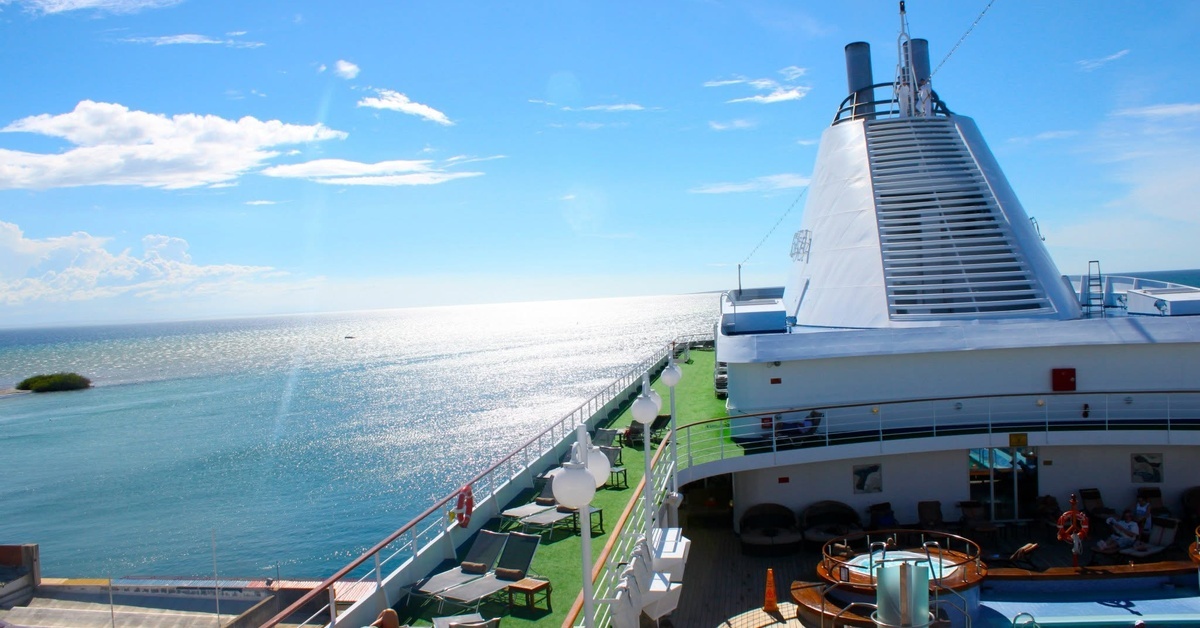
Service Has More Room To Notice
Excellent service at sea depends on timing. A crew member who remembers how you take your coffee can make the morning feel effortless. A server who understands that you prefer a slower dinner can shape the evening with care.
Smaller ships give those details room to matter. Hospitality can feel natural when the team reads the rhythm of the voyage.
That distinction helps when comparing cruise lines. Regent Seven Seas Cruises often appeals to travelers who want an elevated, inclusive style with refined dining and polished service. Princess Cruises may suit guests who want destination variety while enjoying familiar comforts. The right choice depends on the traveler’s style and preferred atmosphere at sea.
Ports Can Feel Different From the Start
Arrival shapes the first impression of a destination. When thousands of guests disembark at once, even a beautiful harbor can lose some of its charm. Smaller ships can soften that moment.
In certain regions, a smaller vessel may reach harbors that larger ships can’t access as easily. The day can begin closer to the center of a destination. Touring may feel more personal. A lunch ashore can unfold without the sense that everyone arrived at once.
Destinations Where Scale Matters
Alaska rewards stillness, especially when the ship glides past glacier-carved scenery. The Mediterranean invites a slower rhythm, with mornings in historic ports and evenings that return naturally to the water.
In Hawaii, Australia, New Zealand, Asia, or South America, the right itinerary can give the destination as much weight as the ship itself. A smaller vessel can arrive and feel less like an event and more like an invitation.
Shore Experiences Carry More Depth
Small-ship cruising can make time ashore feel more personal. Instead of moving with a large crowd, the day can keep a more natural pace.
Montecito Village Travel’s ocean cruise guidance points to immersive shore excursions, cultural activities, specialty dining, and spa experiences as part of a stronger sailing. The right itinerary might bring you close to Alaska’s wild coastline, a quiet Mediterranean harbor, or a port in Asia where the day calls for more curiosity than speed.
With fewer guests moving through the same experience, a guide can read the group more naturally. A culinary outing can leave room for conversation. A museum visit can feel less scripted.
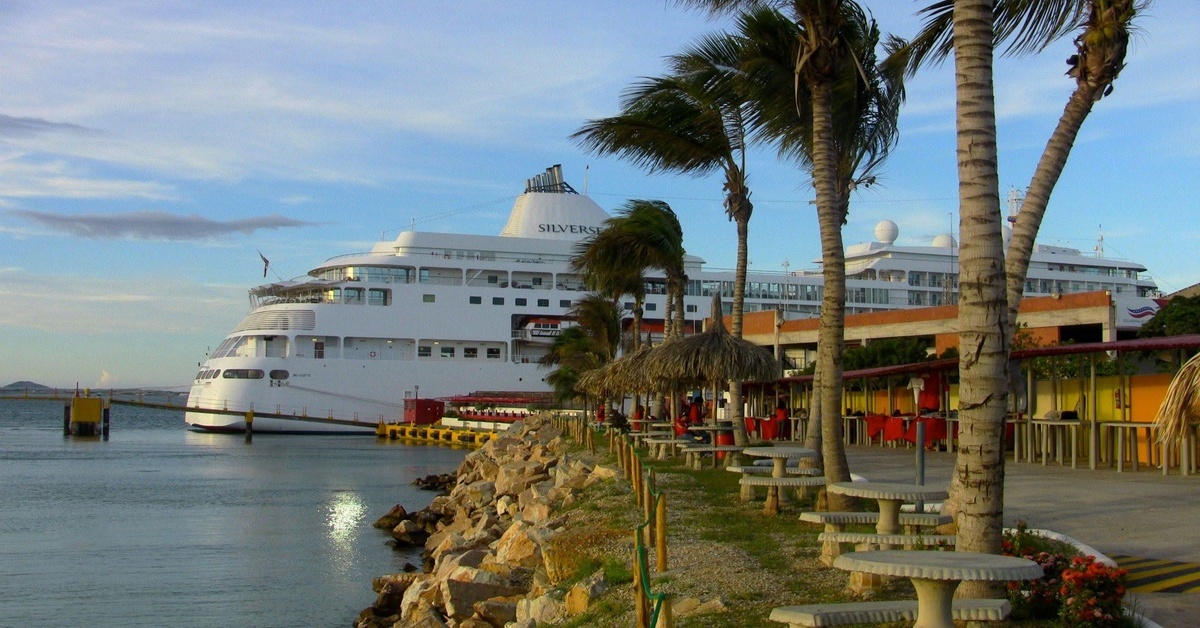
Dining and Suites Shape the Mood
A thoughtful dining experience can define a voyage. On a smaller ship, dinner doesn’t need to feel like a seating assignment. The room may feel calmer. The staff can guide wine or menu choices with more attention.
Suite choice matters just as much. A large room can still disappoint if the balcony feels shallow or the sitting area feels awkward. Location can also affect how often you move through busier corridors.
Before booking, look closely at how the suite supports your travel style. A couple may want a deep balcony for private breakfasts. A traveler who loves scenic cruising may care more about sightlines than storage.
For travelers comparing luxury ocean cruises, suite selection can shape the whole trip. The right room gives you a retreat between ports. It also gives you a private view of the sea that never feels shared.
What To Ask Before Choosing a Small Ship
A polished cruise brochure can make many ships sound similar. Stronger questions reveal the differences.
Consider these points before booking:
- How many guests does the ship carry?
- How does the itinerary balance port days with sea days?
- Which suite category gives you the privacy you want?
- How much time will you spend in each port?
- Do excursions match your interests?
- Does the dining style feel flexible?
- Will the ship’s atmosphere suit your travel companions?
These questions help an advisor match the ship to the traveler, rather than starting with the sailing date alone.
Advisor Guidance Can Shape the Voyage
Small-ship cruising comes with nuance. Two itineraries in the same region can feel very different once port timing, ship size, suite layout, dining, and touring style enter the conversation.
Planning can cover the cruise itself, pre-cruise hotels, private transfers, specialty dining requests, and shore experiences that match the traveler’s interests.
A More Personal Way To Travel by Sea
Small-ship cruising appeals to travelers who value feeling over spectacle. It draws attention to the horizon. It gives the meal more presence. It makes a port arrival feel considered rather than crowded.
That’s why small-ship cruises offer ultimate privacy and exclusivity for travelers who want the ocean to feel personal. The strongest voyage doesn’t come from choosing the smallest ship by default. It comes from choosing the right ship, suite, sailing, and pace, with each detail working toward the kind of journey the traveler actually wants.

