Five places in Alaska, Asia, and Australia that are built to be cruised
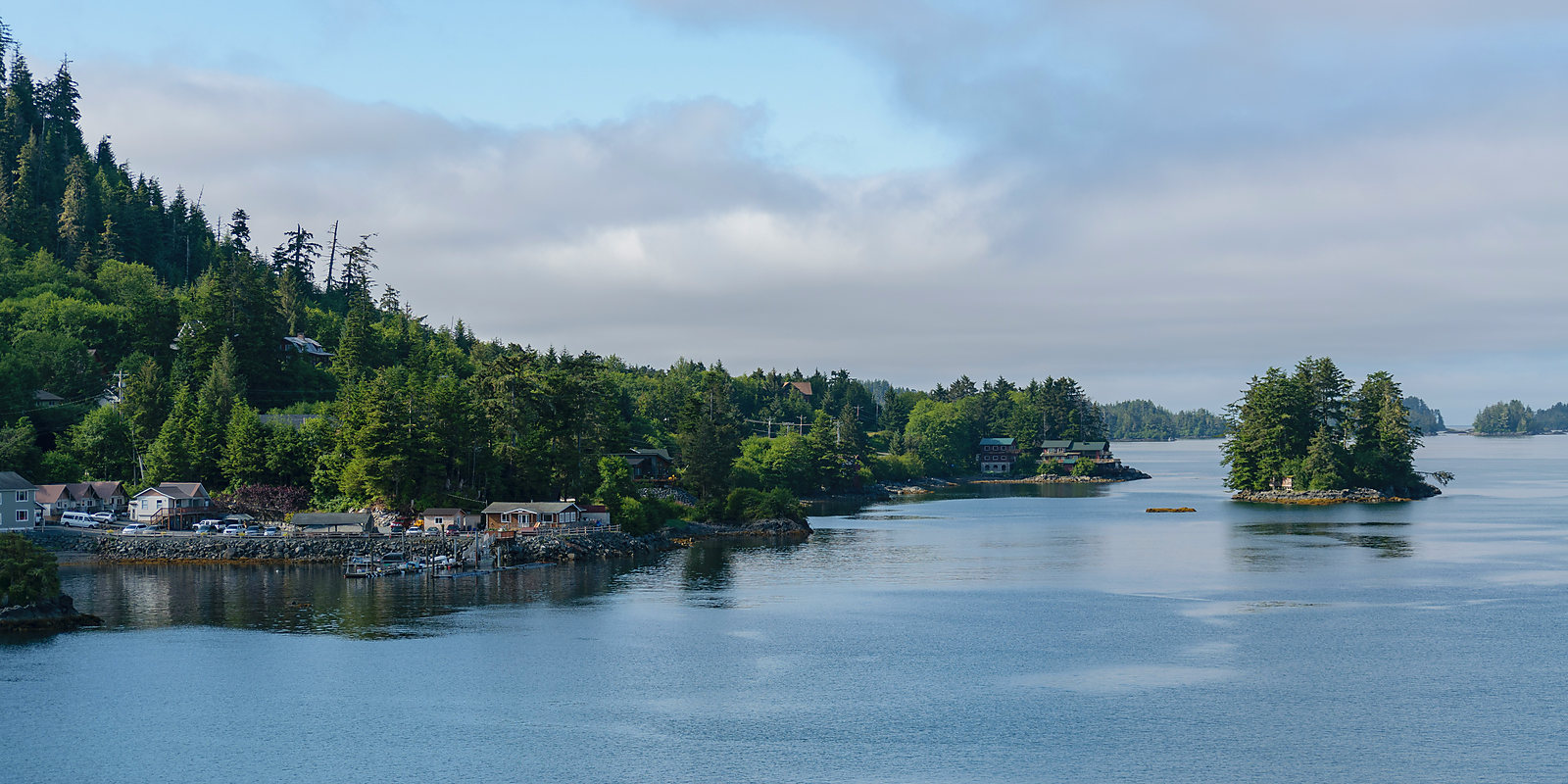
Sitka has about 14 miles of road, and none of them leave the island.
You understand it best from the deck, as the town gathers itself out of the morning: fishing boats nosed into the harbor where a highway might have ended, a floatplane lifting off the sound, the day's catch and the week's groceries arriving the same way you just did.
The world keeps only a handful of places like this, from Southeast Alaska to the limestone bays of Vietnam and the Philippines, the dragon islands of Indonesia, and the far end of Australia's reef coast. None of them give themselves up easily.
They open slowly, and only from the sea.
Sitka, Alaska: Arrive the Way the Town Expects
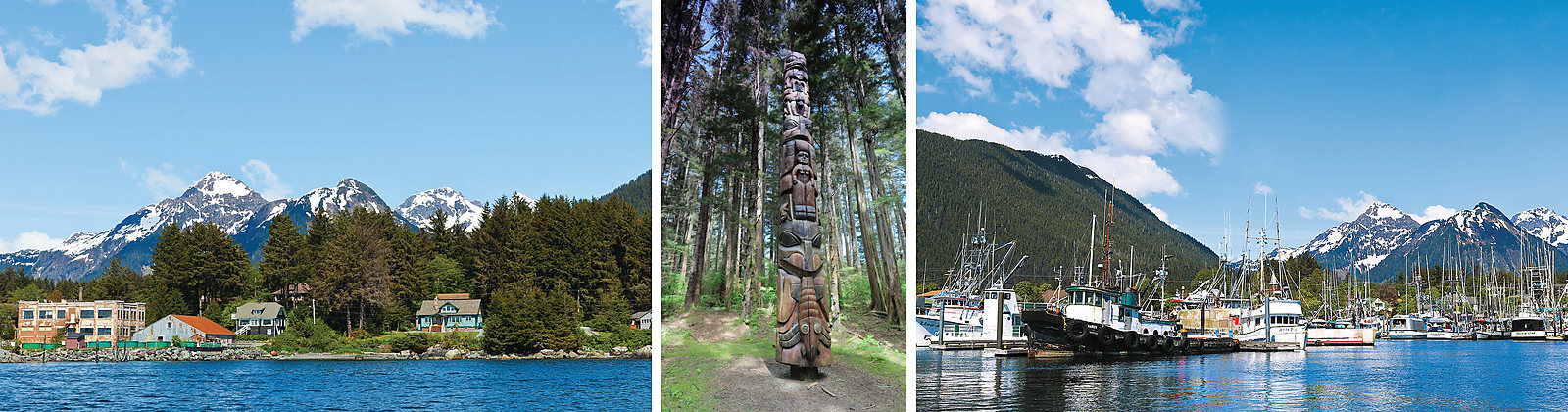
Sitka was built facing the water, and from the ship, you meet it the way it was meant to be met: front door first.
Across the sound, Mount Edgecumbe’s volcanic cone rises from Kruzof Island. A sea otter drifts past on its back, working through breakfast.
Along the Shore
At Sitka National Historical Park, the trail follows the edge of the sound beneath spruce and hemlock. Totem poles line the path, carved faces half in shadow, moss thick at their base. Between the trunks, the water you came in on keeps showing through.
The View From Castle Hill
A short climb up Castle Hill and the whole town lays itself out below you: the onion dome of St. Michael's, a harbor full of boats, small islands scattered across the sound toward Edgecumbe. From up here, every street seems to lead to the water.
By late afternoon you're back on deck. The town that met you from the water sees you off the same way, shrinking into the trees as the ship turns for open sea.
Advisor tip: Sitka is a single day of about eight hours. Ask your advisor to pair the totem trail and Castle Hill with one wildlife outing, such as the rescued bears at Fortress of the Bear.
Ha Long Bay, Vietnam: Let the Islands Close Behind You
The bay doesn't show itself from shore. You have to go in.
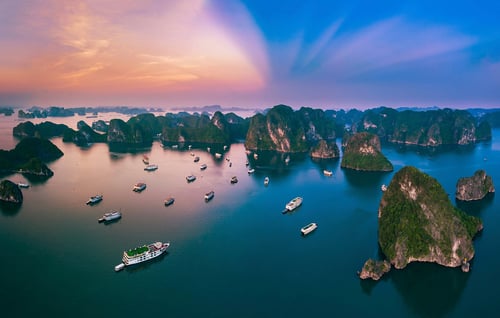
From Hong Gai, a small boat slips between the first limestone towers, and within minutes the open water is gone. Islands rise on every side, some no wider than a house, their cliffs hung with green. UNESCO counts 1,133 islands and islets in the bay. In late December, a cool mist often sits on the water, and the towers appear one at a time, each a shade paler than the last.
You drift past a wall of rock close enough to touch, then into a cove so still it holds the sky. Nobody on the boat says much.
By late afternoon, the islands part to let you back out, stacking into blue silhouettes behind you, and the ship waits at Hong Gai, its lights just coming on.
Coron, Philippines: Where the Boat Is the Whole Day
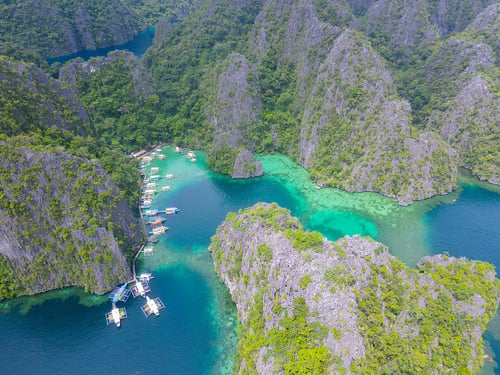
On Coron Island, there's no road to the lagoons. There's a bangka, the Philippines' wooden outrigger boat, its bamboo arms skimming the surface as it pulls away from the pier.
The water under you shifts from navy to green to a clear, bright turquoise. Limestone cliffs rise straight out of it, jagged at the top. In a quiet cove, the boatman cuts the engine, and you hear only water against the hull.
Up and Over to Kayangan Lake
A steep stair climbs a ridge, then drops toward Kayangan Lake. Stop at the viewpoint on the way. The cove you just left sits below, outriggers lined up along the shore like pencils in a blue tray.
On the far side, the lake waits inside a ring of limestone walls. Slip in from the wooden platform and put your face in the water. It's cool and glass clear, and you can follow the rock ledges as they drop away into deep water.
You float. That's the whole plan.
The Island Has Hosts
Coron Island is ancestral domain of the Tagbanua, who have fished these waters for generations and still decide which lakes and beaches visitors may enter. Some are open. Others remain sacred and off-limits. Every one of them is reached the same way, by boat, and you follow the route your guide is allowed to take. The island feels more private for it.
By midafternoon, the bangka turns back toward the ship, sun on your shoulders, salt drying in your hair. Back aboard, a long shower rinses off the lagoon, but the color of that water stays with you through dinner.
Advisor tip: Kayangan rewards a short, steep climb. Ask your advisor which outings include it and which stay on the water, so the swimmer and the hiker both get their lagoon.
Komodo, Indonesia: Walk In With a Ranger
The welcome party carries a forked stick.
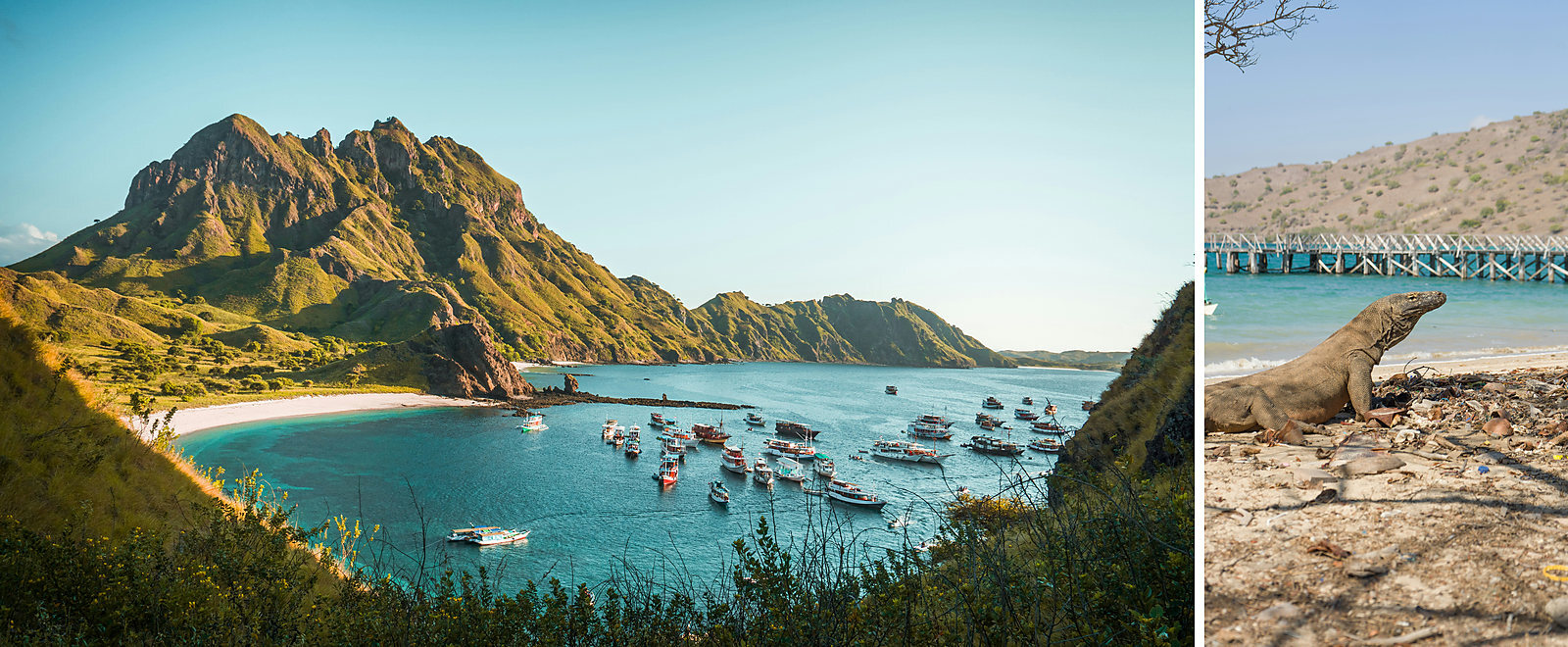
Your boat noses up to the jetty at Loh Liang, and a park ranger is waiting at the end of it. On Komodo Island, you don't wander off on your own. The ranger walks ahead along the trail, staff in hand. In February, the rains have turned the hills green, and lontar palms stand along the ridgelines. Deer move at the edge of the trees.
Then the ranger stops and points.
The Dragon in the Grass
Beside the trail, a Komodo dragon lies flat in the shade, so still you could take it for a fallen log. Then a yellow tongue flicks out, forked like the ranger's stick. Up close, you notice the beaded skin, the heavy claws, the way it watches you without seeming to turn its head. Only a few thousand remain in the wild, and most of them are within this national park.
You keep your distance, take the photograph, and walk on.
Then, Pink Sand
A short boat ride brings you to Pink Beach, where tiny fragments of red coral and shell tint the sand rose at the waterline. You wade in. Fish dart over the reef a few strokes from shore. After the heat of the trail, the water feels earned.
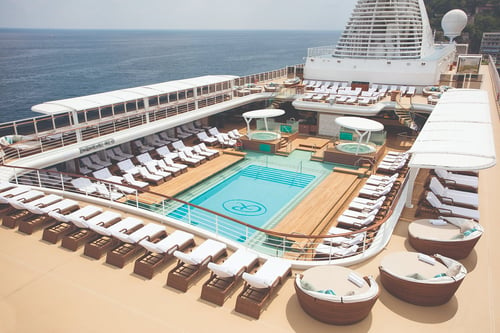
By five, you're up on the pool deck with something cold, watching Komodo's ridges soften in the late light as the ship pulls away.
Advisor tip: Ask your advisor to compare walk lengths and timing once excursions open. On a full day in port, an early walk leaves the afternoon for the reef.
Cooktown and the Reef Coast, Australia: Come In From the Sea
The sand at Whitehaven squeaks.
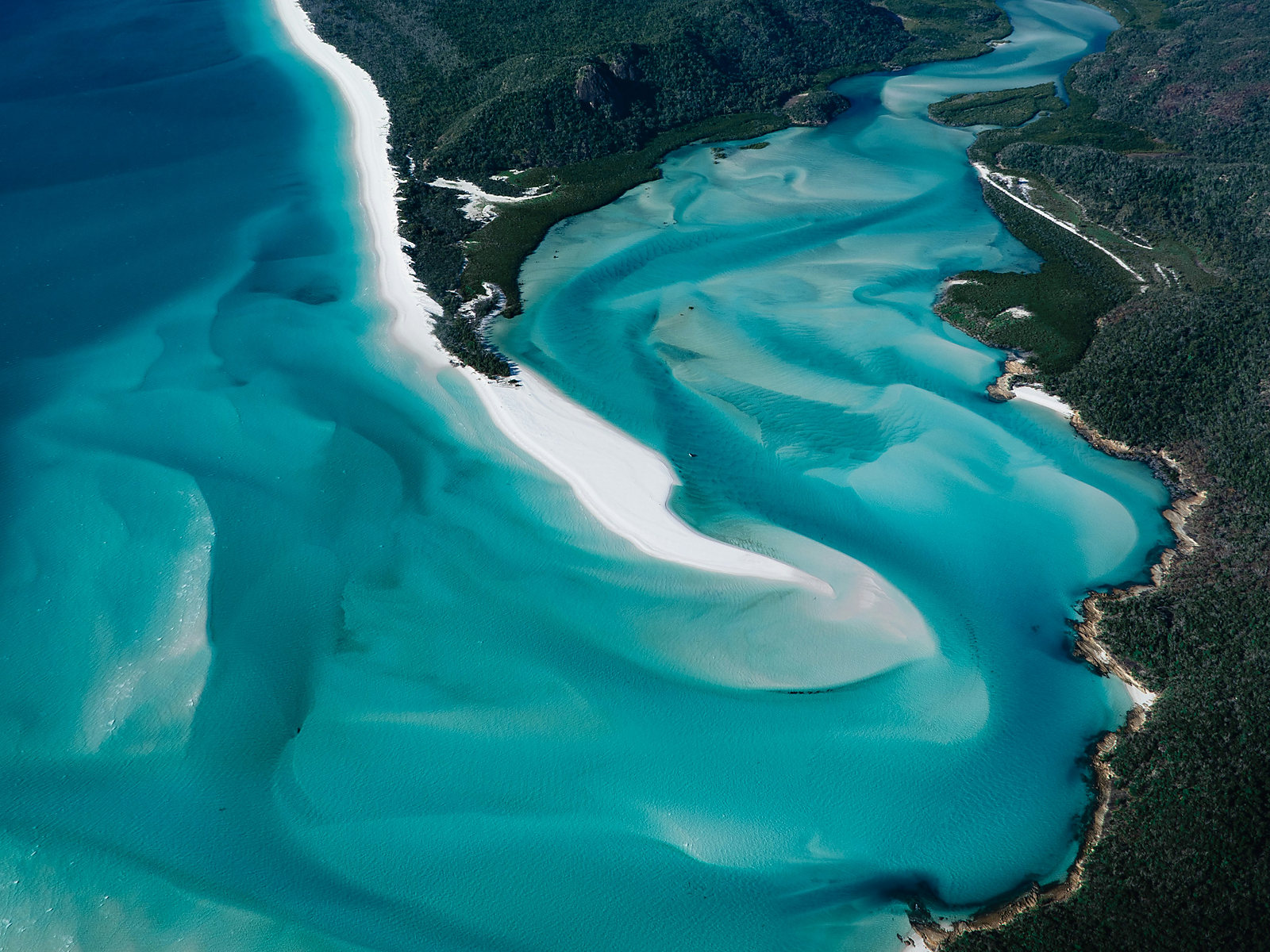
It's almost pure silica, fine as flour, and it's your first sign that this coast plays by its own rules. A catamaran carries you out from Airlie Beach. From the Hill Inlet lookout, the tide braids white sand and turquoise water into slow swirls that shift shape while you watch. That night, the ship turns north along the reef, and warm salt air drifts in through your veranda door.
Where the River Meets the Reef
Four days later, Cooktown: one main street, one river mouth, and beyond them the wild sweep of Cape York.
In the early light, you climb Grassy Hill to the old lighthouse, and the coast opens up below you. The Endeavour River unspools into the sea. The town tucks itself along the bank. Far out, the reef runs like a pale seam along the horizon, and just inside it, your ship waits offshore.
By 1 p.m., the ship is pulling away, and you have a town to tell people about that most of them have never heard of.
How Regent Gets You There
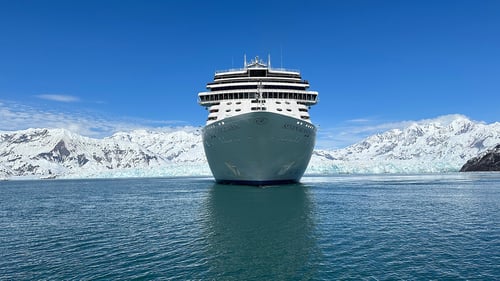
Regent Seven Seas Cruises reaches all five shores on ships carrying fewer than 750 guests, small enough for ports like Cooktown and Coron. Shore excursions come included through Unlimited Shore Excursions, with Regent Choice tours available for an added cost.
These voyages put each place on the route:
Alaska. Seven Seas Explorer sails seven nights from Whittier to Vancouver on June 16, 2027, with Sitka on the third day, between Hubbard Glacier and Skagway.
Vietnam and the Philippines. Explorer's 14 night roundtrip from Hong Kong departs December 22, 2027, calling at Hong Gai for Ha Long Bay and at Coron on January 2, 2028, with an overnight in Ho Chi Minh City along the way.
Komodo. Explorer sails seven nights from Darwin to Bali on February 9, 2027, with a full day at Komodo and stops on Timor, Sumba, and Lombok.
The reef coast. Explorer's 12 night voyage from Sydney to Darwin departs January 28, 2027, following the coast through Airlie Beach, Cairns, and Cooktown.
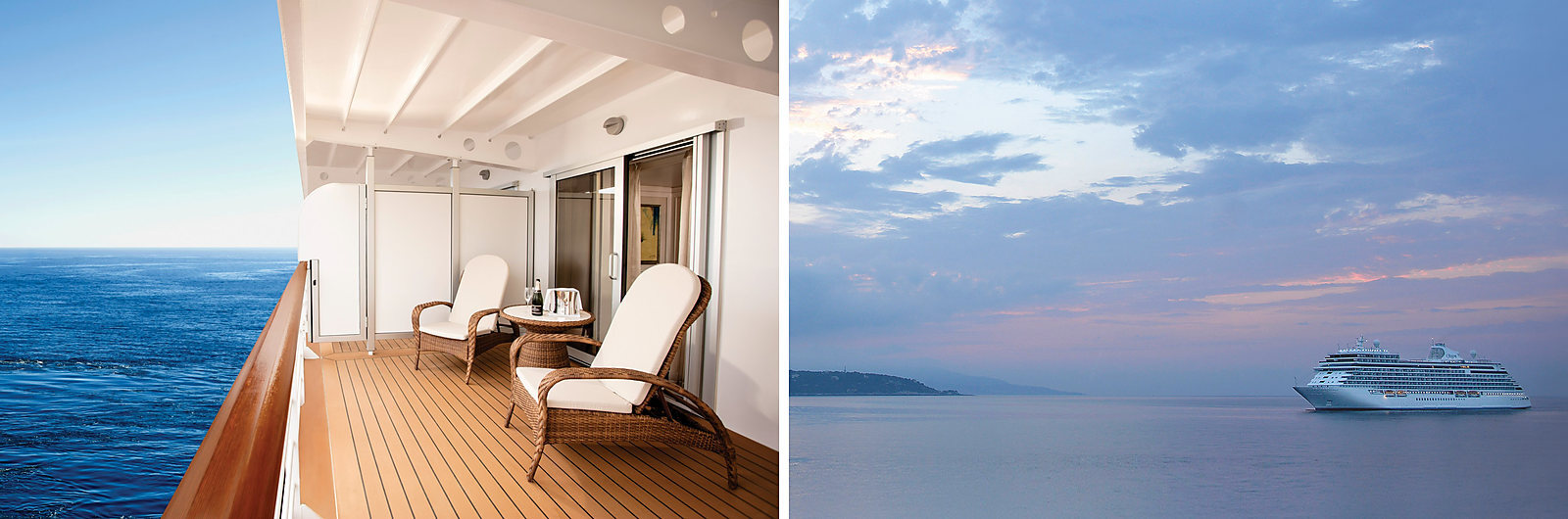
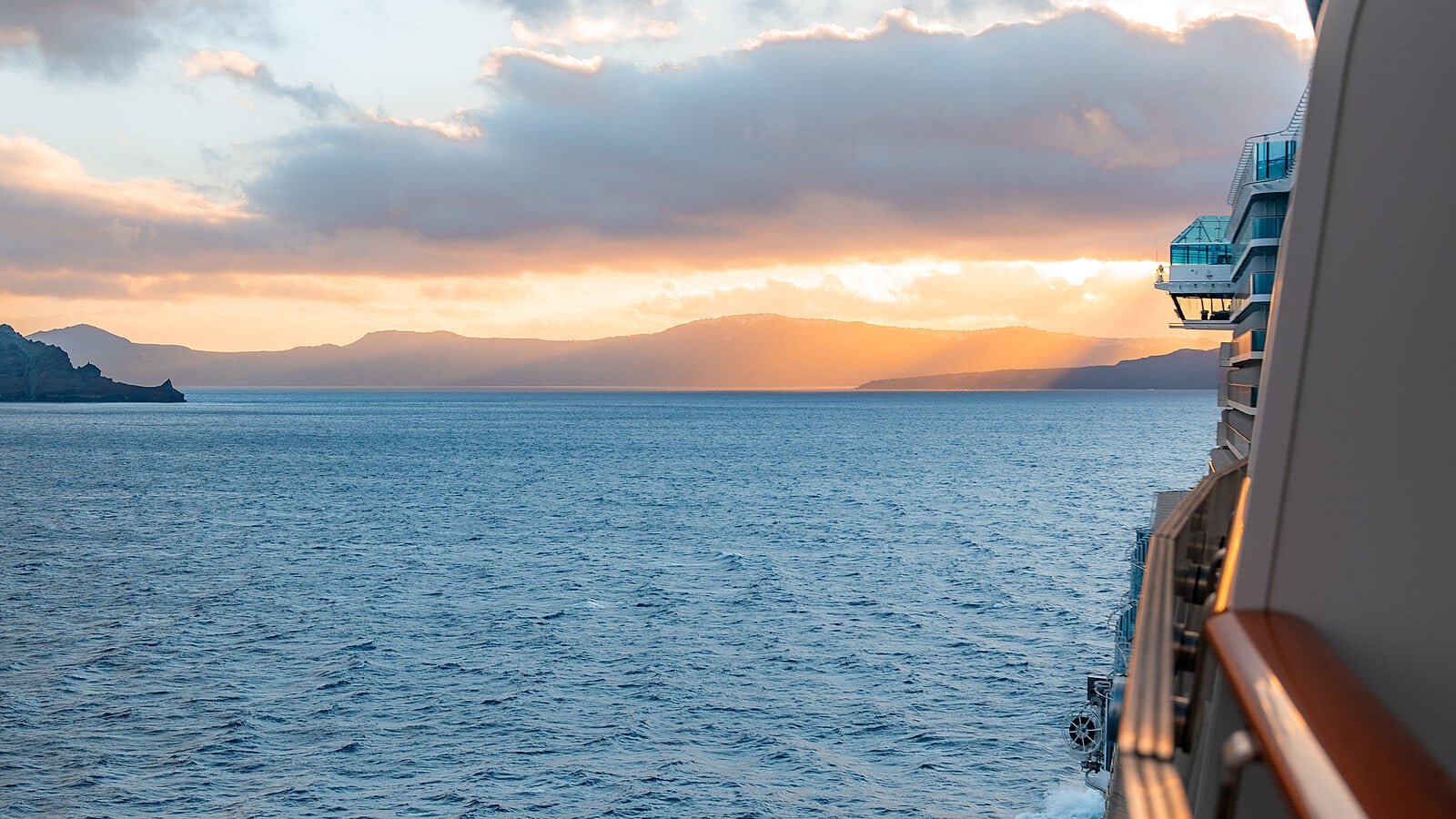
All four sail aboard Seven Seas Explorer, where every suite has its own private balcony. Whichever coast you choose, the day ends the same way: the shore sliding past your veranda while you dress for dinner, with the evening's first drink already part of the fare.
The Long Way In
Anyone can fly over a coastline. Very few people ever arrive at one.
Somewhere off Sitka, or Hong Gai, or Komodo, the engines ease, the conversation at the rail goes quiet, and a coast you have only seen in photographs comes up out of the water at the pace it was always meant to.
Tell your advisor which one is worth the long way in.